
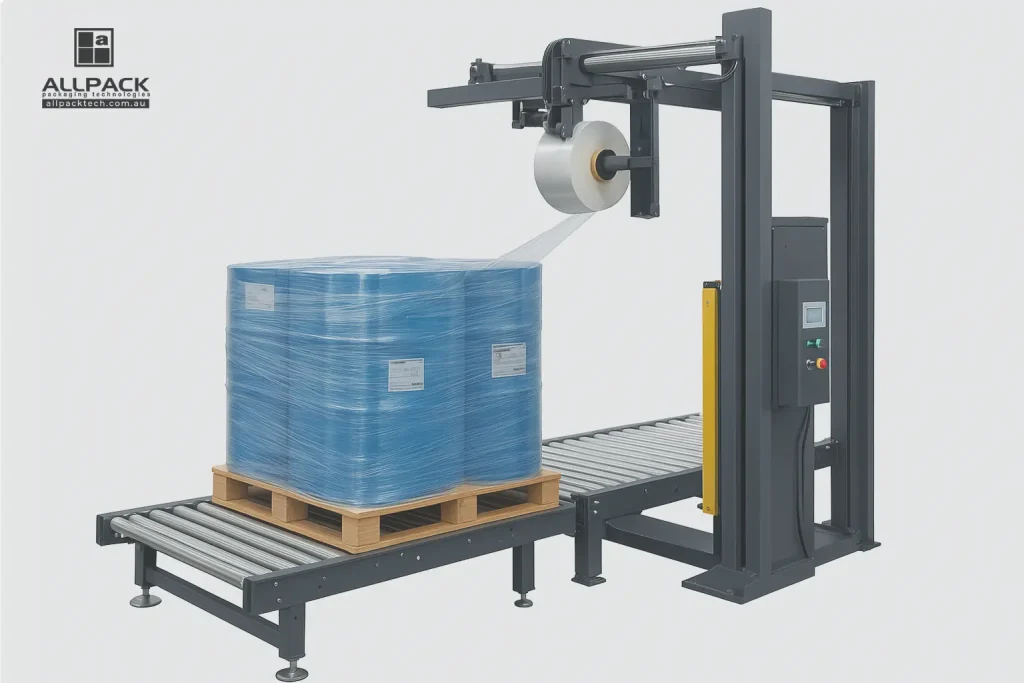
Auto stretch wrapping machines basically run the modern warehouses & production floors.
When they work well, pallets move faster, loads stay stable, and staff work safely. When they do not, delays stack up. Film breaks, loose wraps, and sudden stoppages slow the entire operation and increase costs.
Why do these issues happen? Due to missed maintenance, of course. Because there is not a single machine capable enough to keep working without upkeep. If you don’t care for them, wear builds up and performance drops sooner than you expected.
This pallet stretch wrapper maintenance guide will explain how to do that. We’ll teach you its daily upkeep, common problems, troubleshooting tips, and more.
At Allpack Packaging Technologies, we have been supplying and supporting packaging machinery across Australia since 2000. Based in Perth, Western Australia, we work closely with businesses that rely on pallet wrapping every day.
So, let us show you how maintenance reduces downtime and keeps operations moving.
Why You Shouldn’t Ignore Stretch Wrapper Maintenance
A pallet stretch wrapper runs through hundreds of cycles each shift. Over time, vibration, dust, and film residue affect performance. If small issues are ignored, they turn into larger failures. So, you have to face unexpected shutdowns and rushed repairs.
Stretch wrapping machine care and maintenance helps avoid these problems. Clean components run smoother. Correct settings reduce strain. Early checks catch wear before parts fail. These steps protect both the machine and the load being wrapped.
A solid industrial stretch wrapper maintenance guide also supports safety. Poorly maintained machines increase the risk of pallet collapse or operator injury. Reliable wrapping keeps goods secure from dispatch to delivery.
How to Maintain Auto Stretch Wrapping Machines
Every automatic pallet wrapper maintenance guide starts with routine care. These tasks do not require advanced skills, but they must be done consistently. Skipping them can cause the most common faults.
General maintenance includes:
- Turntable condition and rotation
- Film carriage movement
- Rollers, belts, and chains
- Sensors and safety systems
Dirt, dust, and torn film build up quickly in busy environments. Cleaning prevents drag and false readings. Lubrication reduces friction and noise. Visual inspections reveal wear and spot the problems. So, all of them are essential.
We recommend assigning responsibility clearly. When operators know what to check, maintenance becomes part of daily work, not an afterthought.
Daily Checks That Keep Machines Running
Daily checks are the foundation of automatic stretch wrapping machine upkeep. They take only a few minutes but deliver big benefits. These checks help spot problems before the first pallet fails. Daily tasks should include:
- Checking film path for damage or residue
- Ensuring film rolls load smoothly
- Inspecting rollers for flat spots or debris
- Confirming emergency stops work
Operators should also listen to the machine. New sounds signal developing issues. A change in wrapping tension or speed is another warning sign. So, keep watching out for them, and you can avoid unnecessary service calls.
Weekly and Monthly Maintenance Tasks
Weekly tasks go deeper than daily checks. They focus on accuracy and consistency. These tasks support long-term performance.
Weekly maintenance should include:
- Cleaning photo-eyes and sensors
- Checking bolt tightness on moving parts
- Inspecting belts and chains for wear
Monthly tasks may involve lubrication and alignment checks. Always follow the manufacturer’s guidance. Over-lubrication can be as harmful as none at all.
A structured automatic stretch wrapper maintenance guide makes sure that nothing is missed. Keeping a log also helps track patterns and recurring issues.
Step-by-Step Stretch Wrapping Machine Maintenance Guide
A clear process makes maintenance easier and safer. This approach suits both manual and automatic systems. It also supports training new staff.
- Start by isolating power. Lockout procedures prevent accidental start-up.
- Clean visible components using approved materials.
- Avoid water near electrical parts.
- Inspect mechanical parts next. Look for cracks, fraying, or uneven wear.
- Lubricate where specified only.
- Finish by running a test cycle without a load.
So, you can stay safe from any problems and keep the machine working safely.
Common Stretch Wrapper Problems with Causes
Understanding common faults saves time. Many issues have simple causes linked to maintenance gaps. Knowing what to look for helps teams respond faster.
Common problems include:
- Film tearing or snapping
- Loose or uneven wraps
- Turntable stopping mid-cycle
- Inconsistent pallet height detection
Film breaks often relate to dirty rollers or incorrect tension. Loose wraps may point to worn belts or calibration drift. Sudden stops can result from sensor misalignment.
Preventive Maintenance for Stretch Wrappers
Stretch wrapping machine preventive maintenance focuses only on effective planning. It reduces breakdowns and extends machine life. When you have a streamlined process, you can manage high-volume operations also.
Preventive maintenance includes scheduled inspections and part replacement based on usage hours. Components like belts and rollers wear gradually. So, check them regularly and keep an eye on damage. Replacing them early will avoid sudden failure.
Keeping records supports better decisions. Trends reveal which parts need closer attention. Keep the approach data-driven to improve reliability and budgeting for the future.
Now that you’ve identified problems, let’s move toward troubleshooting.
Auto Stretch Wrapper Troubleshooting Tips
Some faults are intermittent and harder to trace. These require closer observation and systematic checks. Advanced troubleshooting builds on basic maintenance.
- Start by reviewing error messages or alarms.
- Inspect wiring connections for looseness.
- Check sensor alignment carefully. Vibration can shift components over time.
- Observe the machine during full operation. Some issues only appear under load.
- Document findings so technicians can resolve issues faster if escalation is needed.
- Maintain accurate records and operator feedback.
Importance of Correct Film Handling
Film quality and handling affect machine performance more than many realize.
Poor film storage or loading increases strain on components. It leads to inconsistent wrapping. Always store film in dry conditions. Avoid extreme temperatures. Load film according to manufacturer guidance. Incorrect threading causes drag and tearing.
Correct film handling supports automatic pallet wrapper maintenance tips and improves wrap quality without machine changes.
Automatic Pallet Wrapper Maintenance Tips for Safety
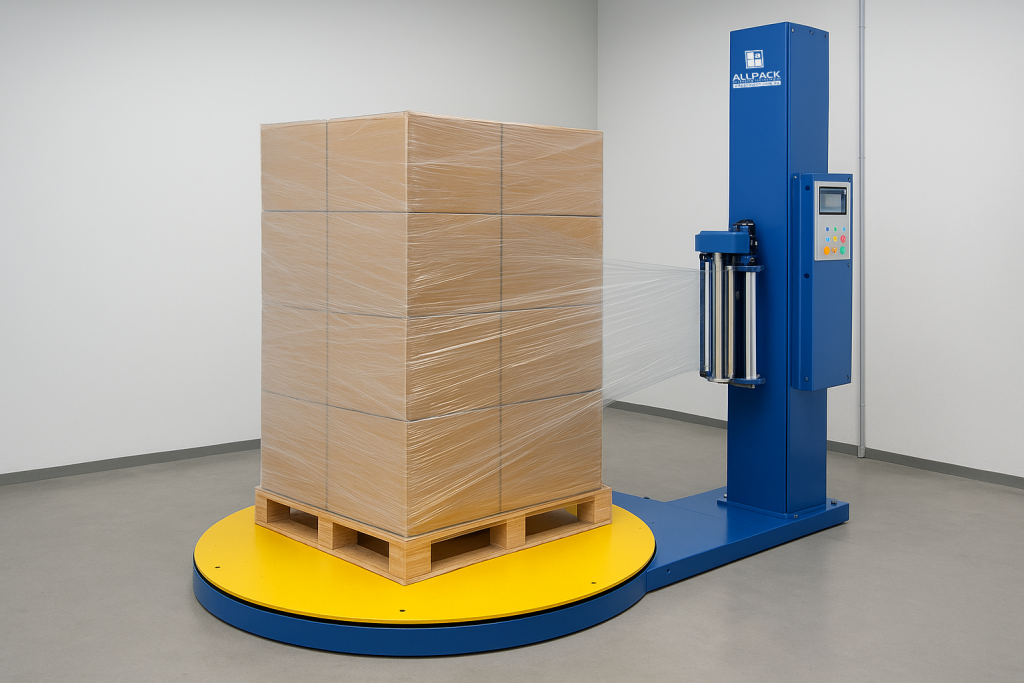
Safety must remain a priority during maintenance. Automatic stretch wrappers involve moving parts and electrical systems. Clear procedures protect everyone.
- Always isolate power before working on the machine.
- Use proper tools and personal protective equipment.
- Keep work areas clear and well-lit.
- Provide enough training to workers before assigning tasks.
Stretch wrapper maintenance best practices include clear signage and training. A safe maintenance routine reduces incidents and improves confidence.
Training Operators for Better Machine Care
Well-trained operators protect machines. They notice changes early and follow correct procedures. This reduces misuse and wear. Training should cover daily checks, correct film loading, and fault reporting. Clear instructions reduce guesswork and errors.
We see better outcomes when maintenance knowledge is shared across teams. This supports consistent stretch wrapping machine servicing tips.
Maintenance Checklist for Automatic Stretch Wrappers
A checklist simplifies maintenance. It ensures tasks are completed consistently across shifts. It also supports audits and compliance.
A practical pallet wrapping machine maintenance checklist includes:
- Daily inspection of rollers and film path
- Weekly sensor cleaning
- Monthly lubrication checks
- Quarterly belt and motor inspection
Using a checklist keeps automatic stretch wrapping machine upkeep organized and reliable.
When Is Professional Servicing Needed?
Some issues require expert attention. Electrical faults, repeated errors, or structural wear should not be ignored. Early professional service prevents costly failures.
Auto stretch wrapping machine service tips recommend scheduled inspections by trained technicians. So, your equipment stays reliable. At Allpack Packaging Technologies, we provide servicing, repairs, and rebuilds across Australia. Our spare parts inventory allows fast response and reduced downtime.
Looking for reliable support for your pallet wrapping equipment?
Trust Allpack Packaging Technologies: Your Packaging Partner
At Allpack Packaging Technologies, we have been supporting Australian businesses since 2000 with dependable packaging machinery and expert service.
Our auto stretch wrapping machines come with reliability, efficiency, and long-term value. Plus, for after-sales support, our Perth-based team offers nationwide servicing, spare parts, and honest advice. If your stretch wrapper needs support or maintenance: